Mungo: A Chic Serif Font for Handmade Labels and Invitations
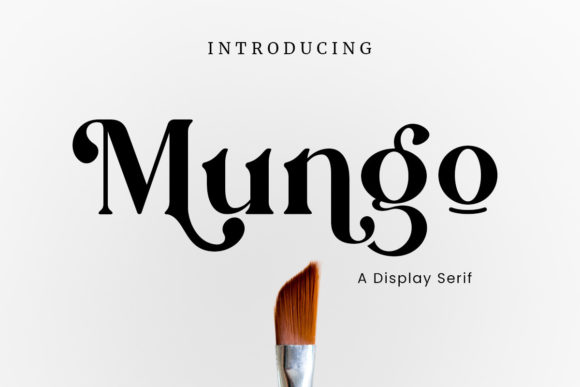
When you are designing a product that needs to stand out on a crowded Etsy shop or catch the eye of a customer scrolling through social media, typography is often the deciding factor. It sets the tone before the buyer even reads the description. For crafters, printable creators, and small business owners, finding a typeface that balances elegance with readability is essential. This is where Mungo shines as a versatile design asset. Mungo is a chic and lovely serif font, characterized by its stylish alternates and ligatures, making it the perfect match for any project that demands a touch of sophistication.
The Visual Personality of Mungo
Mungo is not just another generic serif; it has a distinct visual personality that feels both modern and timeless. As a serif font, it carries the weight and tradition associated with classic typography, but its specific curves and proportions give it a contemporary flair. The "chic" descriptor in its identity comes from its clean lines and refined details, which prevent it from feeling stuffy or old-fashioned. Instead, it feels approachable yet polished.
For handmade sellers, this balance is crucial. You want your brand to look professional without losing the personal, artisanal touch that customers love. Mungo achieves this by offering a high level of legibility while maintaining decorative charm. Its stylish alternates allow you to introduce subtle variations within a single word, adding visual interest without cluttering the design. Ligatures further enhance the flow of text, smoothing out awkward gaps between letters and creating a more cohesive look. This attention to detail signals quality to your customers, suggesting that care was taken in every aspect of your product presentation.
Practical Applications in Craft and Product Design
One of the most valuable aspects of Mungo is its adaptability across various physical and digital products. Because it is a display-oriented serif, it excels in short phrases, names, titles, and decorative wording. Here is how it can elevate specific craft projects:
- Product Labels and Tags: Whether you are selling soy candles, bath bombs, or handmade soaps, Mungo provides an elegant backdrop for ingredient lists or branding statements. Its serif structure ensures that smaller text remains readable when printed on small stickers or tags, provided the point size is chosen wisely.
- Invitations and Stationery: For wedding invitations, baby shower cards, or formal event stationery, Mungo offers a level of formality that sans-serif fonts might lack, without the heaviness of traditional ornate serifs. It pairs beautifully with floral illustrations or minimalist line art.
- Wall Art and Prints: In the realm of digital printables and framed wall art, Mungo serves as a strong focal point. Use it for motivational quotes, nursery decor, or farmhouse-style signs. The font’s charm adds warmth to spaces, making it ideal for home decor items.
- Merchandise Designs: When transferring designs to mugs, tote bags, or t-shirts via heat transfer vinyl (HTV) or sublimation, Mungo’s clear letterforms cut cleanly. This is particularly important for Cricut and Silhouette users, as complex or overly thin serifs can sometimes tear or fail to adhere properly. Mungo strikes a good balance between thin strokes and bold presence.
- Seasonal and Holiday Packaging: During peak seasons like Christmas or Halloween, packaging design becomes a key marketing tool. Mungo can be used for festive headers or gift tags, offering a sophisticated twist on seasonal themes that appeals to buyers looking for premium gifts.
Maximizing Features with PUA Encoding
A technical feature that significantly enhances the utility of Mungo is its PUA (Private Use Area) encoding. For those unfamiliar with the term, standard fonts often limit the number of special characters available through the keyboard. PUA encoding means that all glyphs, swashes, and alternate characters are accessible, even if they do not have a direct key on your keyboard.
This is a game-changer for creative designers. It allows you to access decorative swashes that add flourish to initial letters or final strokes, giving your designs a custom, hand-crafted feel. If you are creating monograms, logo designs, or intricate badge graphics, having access to these extra elements means you don’t need to rely on additional clipart or separate decorative fonts. Everything you need is contained within the Mungo file, streamlining your workflow and ensuring consistency in your design assets.
Font Pairing Strategies
To create a balanced and professional layout, it is helpful to pair Mungo with complementary typefaces. Since Mungo is a serif font with character, it works well when contrasted with simpler styles.
Consider pairing Mungo with a clean sans serif font for secondary information, such as addresses, dates, or disclaimers. The contrast between the elegant serif and the modern, neutral sans serif creates a hierarchy that guides the viewer’s eye. Alternatively, for a more romantic or whimsical look, you might pair Mungo with a script font or handwritten font. However, because Mungo already has stylistic alternates, ensure the script font does not compete too heavily for attention. Use the script for accents and Mungo for the main message, or vice versa, depending on the desired emphasis.
Readability and Production Tips
While Mungo is visually striking, practical production considerations are vital for commercial success. When designing for small formats like sticker sheets or product labels, always preview your design at actual size. Some serif details may become indistinct if the font size is too small. Aim for a minimum point size that ensures clarity, especially if the end-user will be reading fine print.
For digital downloads and templates, provide mockup previews that show Mungo in context. Customers need to see how the font behaves with different colors and backgrounds. Additionally, check the included styles to ensure you are utilizing the full range of weights and variants available. Using a lighter weight for subtitles and a bolder weight for headlines can add depth to your designs without introducing new fonts.
Licensing and Commercial Use
As a seller, understanding licensing is non-negotiable. Mungo is described as a perfect match for any project, but you must verify the specific commercial license terms provided by the creator. Generally, a commercial font license allows you to use the typeface in physical goods you sell, such as printed cards, packaged products, and merchandise. It may also cover digital downloads like SVG files, PDF templates, and web design elements.
Always retain proof of purchase or license documentation. This protects your business in case of audits and ensures ethical use of design assets. By choosing a premium font like Mungo, you are investing in the perceived value of your brand. High-quality typography suggests that your products are made with care, helping you build trust and recognition in a competitive marketplace.
Incorporating Mungo into your design repertoire offers a blend of aesthetic appeal and functional reliability. Its chic serif style, enhanced by unique alternates and PUA-encoded swashes, provides the tools needed to create standout labels, invitations, and digital products. By focusing on readability, thoughtful pairing, and proper licensing, you can leverage this typeface to elevate your handmade business and connect more effectively with your audience.