Red Honey: A Classic Serif Typeface for Handmade Branding
I was sitting at my desk late Tuesday night, surrounded by half-cut vinyl sheets and a stack of unlabelled soy candles, when I realized my branding felt disjointed. The labels were clean but cold, the thank-you cards were whimsical but hard to read, and the listing photos lacked that cohesive "premium" feel I wanted for my shop. I needed a typeface that could bridge the gap between rustic charm and modern elegance without shouting for attention. That’s when I pulled up Red Honey, an assertive, classic-styled serif font that immediately changed the direction of my entire product line.
If you are a crafter, handmade seller, or printable creator looking to elevate your visual identity, understanding how a serif font like Red Honey functions in real-world applications is crucial. It isn’t just about picking a pretty letter; it is about selecting a tool that communicates quality, trust, and artistic intent. Here is how I integrated this versatile typeface into my workflow, from digital mockups to physical packaging.
The Visual Personality of Red Honey
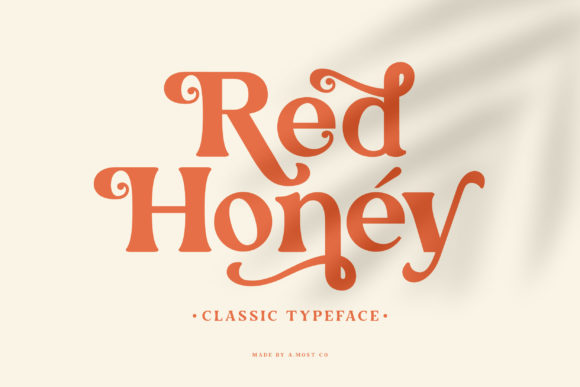
Before diving into production, it helps to understand what makes Red Honey tick. As a serif font, it carries the weight of tradition and editorial sophistication. However, unlike some stiff, corporate serifs, Red Honey has a distinct personality. It is assertive yet approachable. The glyphs have a balanced weight that makes them stand out on small product tags while remaining elegant enough for wedding invitations.
One of the most significant technical advantages for makers is that Red Honey is PUA encoded. For those unfamiliar with the term, this means you can access all of the special glyphs, swashes, and alternate characters directly through your keyboard shortcuts or font panel. You do not need to hunt through separate symbol fonts or struggle with complex software workarounds. This ease of access is vital when you are rushing to meet a deadline for a seasonal launch or designing custom boutique tags for a holiday market.
From Digital Mockups to Physical Labels
In my experience, the transition from screen to print is where many designs fall apart. A font might look beautiful in a large display size but become illegible when scaled down for a sticker or a mug handle label. Red Honey handles these scale changes remarkably well. When I designed my new candle label series, I used the bold weights for the scent names to ensure they popped against the textured paper, while using the regular weight for the ingredient lists and instructions.
This versatility extends to various handmade products:
- Candle and Jar Labels: The classic serif style pairs beautifully with minimalist design layouts, creating a high-end apothecary look that customers associate with premium scents.
- Greeting Cards and Stationery: For wedding invitations or birthday cards, the swashes available in Red Honey add a touch of flourish without feeling overly decorative or cluttered.
- Boutique Tags and Packaging: Small hang tags benefit from the clarity of the serif structure. The letters remain distinct even at smaller point sizes, ensuring your brand name is readable.
- Printable Wall Art: When creating downloadable art for instant download shops, Red Honey serves as a strong focal point. Its editorial feel lends itself well to quote-based prints and farmhouse-style decor.
Enhancing Product Presentation and Brand Consistency
Consistency is the backbone of a successful handmade business. When a customer sees your product on Etsy, Instagram, or at a craft fair, the typography should instantly signal who you are. Using Red Honey across different mediums helps build that recognition. Whether it is on a tote bag design, a shirt graphic, or a social media graphic, the consistent use of this serif font creates a unified brand identity.
Moreover, the emotional appeal of a serif font cannot be overstated. Serifs often convey reliability, timelessness, and craftsmanship. By choosing Red Honey, you are subtly telling your audience that your products are made with care and attention to detail. This perceived quality can justify higher price points and encourage repeat purchases. When customers feel a connection to the aesthetic of your brand, they are more likely to engage with your content and recommend your shop to others.
Practical Tips for Cutting Machines and Printers
For those of us using Cricut, Silhouette, or other cutting machines, readability is key. While Red Honey is excellent for display use, it is important to consider the context of your cut files. For intricate designs or very small text, stick to the standard glyphs rather than the elaborate swashes, which may not cut cleanly on materials like iron-on vinyl or delicate cardstock.
When preparing files for printing, such as planner pages or digital downloads, check the kerning and spacing. Serif fonts often require slightly more breathing room between letters compared to sans serif fonts to maintain legibility. Test your designs by printing a single page before committing to a full run. This step saves money on paper and ink and ensures that your final product looks polished.
Font Pairing Strategies
Red Honey is powerful on its own, but it can be paired with other typefaces to create dynamic contrast. A clean sans serif font works well for secondary information, such as dates, addresses, or instructional text. This combination balances the classic feel of the serif with the modern simplicity of the sans serif. Alternatively, pairing it with a simple handwritten font can add a personal, human touch to your designs, perfect for thank-you notes or casual greeting cards.
Technical Considerations for Sellers
Before incorporating Red Honey into your commercial products, always review the licensing agreement. Ensure that the font allows for commercial use, especially if you plan to sell physical items like mugs, shirts, or tote bags. Some fonts require specific licenses for merchandise, while others may be restricted to digital-only use.
Additionally, take advantage of the included styles and alternates. Exploring the full range of weights and ligatures can help you find the perfect fit for different parts of your design. If multilingual support is needed for international sales, verify that the font includes the necessary character sets. These small details contribute to a professional finish and prevent potential legal issues down the line.
Ultimately, Red Honey is more than just a collection of letters; it is a creative asset that can transform your handmade goods. By understanding its strengths and applying it thoughtfully to your labels, cards, and digital assets, you can create a cohesive and compelling brand presence. Whether you are designing seasonal products, expanding your printable library, or rebranding your shop, this classic serif font offers the versatility and charm needed to make your work stand out in a crowded marketplace.